Home

Category

Tech & Culture

34 articles

The Safety Stars That Don't Actually Align

The Safety Stars That Don't Actually Align

Car shoppers rely on NHTSA and IIHS safety ratings as definitive safety measures, but these agencies test completely different scenarios. A five-star rating from one doesn't predict performance with the other.

The End-of-Month Car Deal Myth That Dealers Love You to Believe

The End-of-Month Car Deal Myth That Dealers Love You to Believe

Waiting until the last day of the month to negotiate car prices is supposed to unlock desperate dealer discounts, but modern automotive retail has evolved far beyond this outdated strategy. The real factors that influence pricing have nothing to do with calendar dates.

The Resale Value Obsession That's Costing You Money Every Single Day

The Resale Value Obsession That's Costing You Money Every Single Day

Americans make countless car decisions based on resale value, from choosing boring colors to skipping useful modifications. But most people keep their cars far longer than this advice assumes, turning smart financial planning into daily sacrifice for benefits they'll never see.

The New Car Depreciation Warning That Ignores Basic Math

The New Car Depreciation Warning That Ignores Basic Math

The advice that new cars are always a financial mistake because they depreciate rapidly oversimplifies a complex equation. For many buyers, new vehicles actually make better financial sense than the used car gospel suggests.

The Surprising Truth About Why Good Drivers Pay More for Car Insurance

The Surprising Truth About Why Good Drivers Pay More for Car Insurance

Think your spotless driving record guarantees the lowest insurance rates? The reality is far more complex. Insurance companies use dozens of factors that have nothing to do with how safely you drive, which explains why your neighbor with three speeding tickets might be paying less than you.

The Numbers Game: Why Your Car's Mileage Reading Is Fooling Everyone

The Numbers Game: Why Your Car's Mileage Reading Is Fooling Everyone

Most car buyers obsess over odometer readings, but industry professionals know that a highway-driven 80,000-mile vehicle often outperforms a city-driven 40,000-mile car. The real story behind what makes a used car valuable has little to do with those numbers on your dashboard.

That Scary Dashboard Warning Light Isn't Actually an Emergency

That Scary Dashboard Warning Light Isn't Actually an Emergency

Millions of drivers panic when their check engine light flicks on, convinced their car is about to die on the highway. The truth? This misunderstood warning system causes more anxiety than actual breakdowns, and most triggers are surprisingly mundane.

Paying More at the Pump Doesn't Mean Getting More from Your Engine

Paying More at the Pump Doesn't Mean Getting More from Your Engine

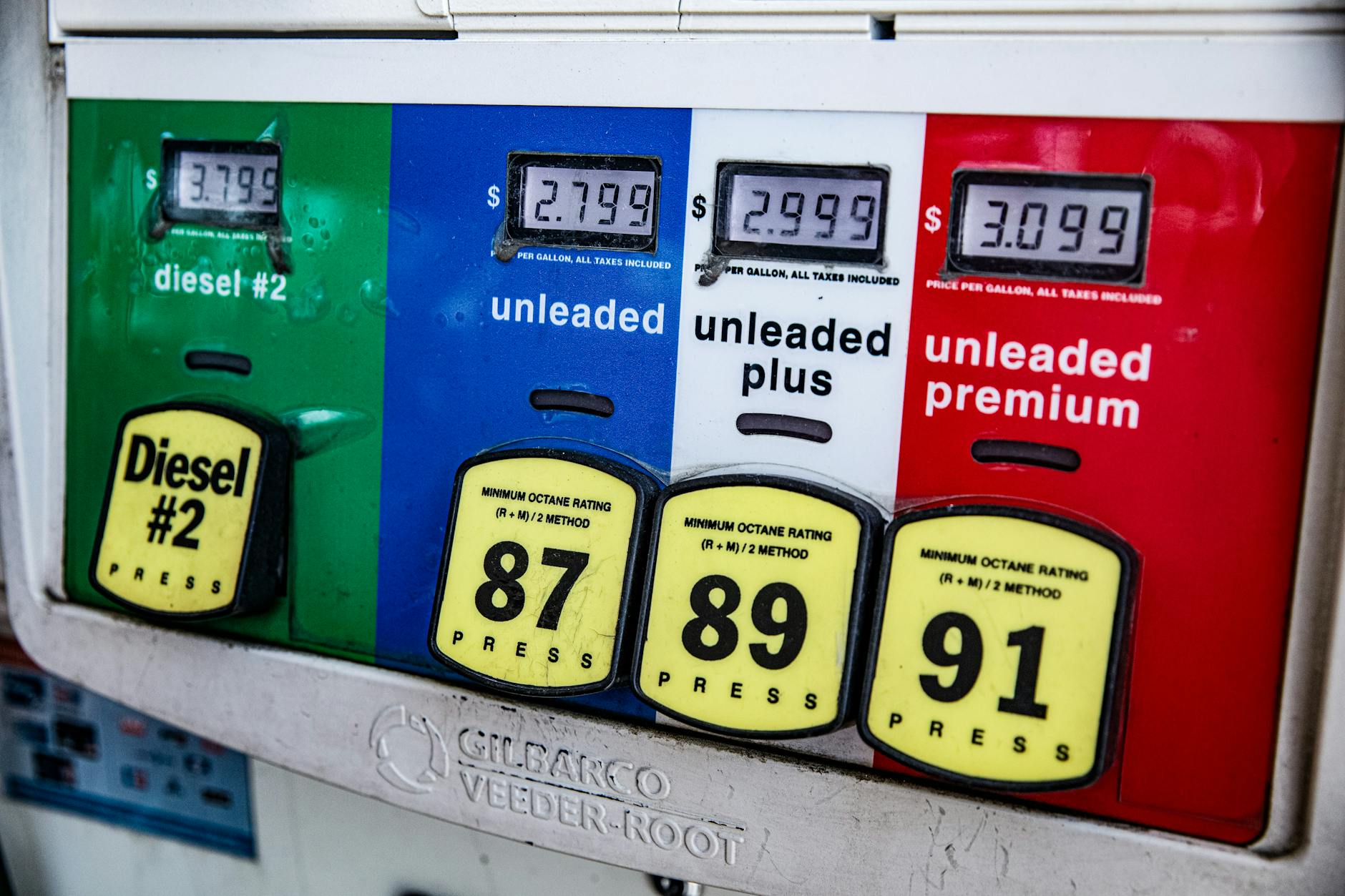
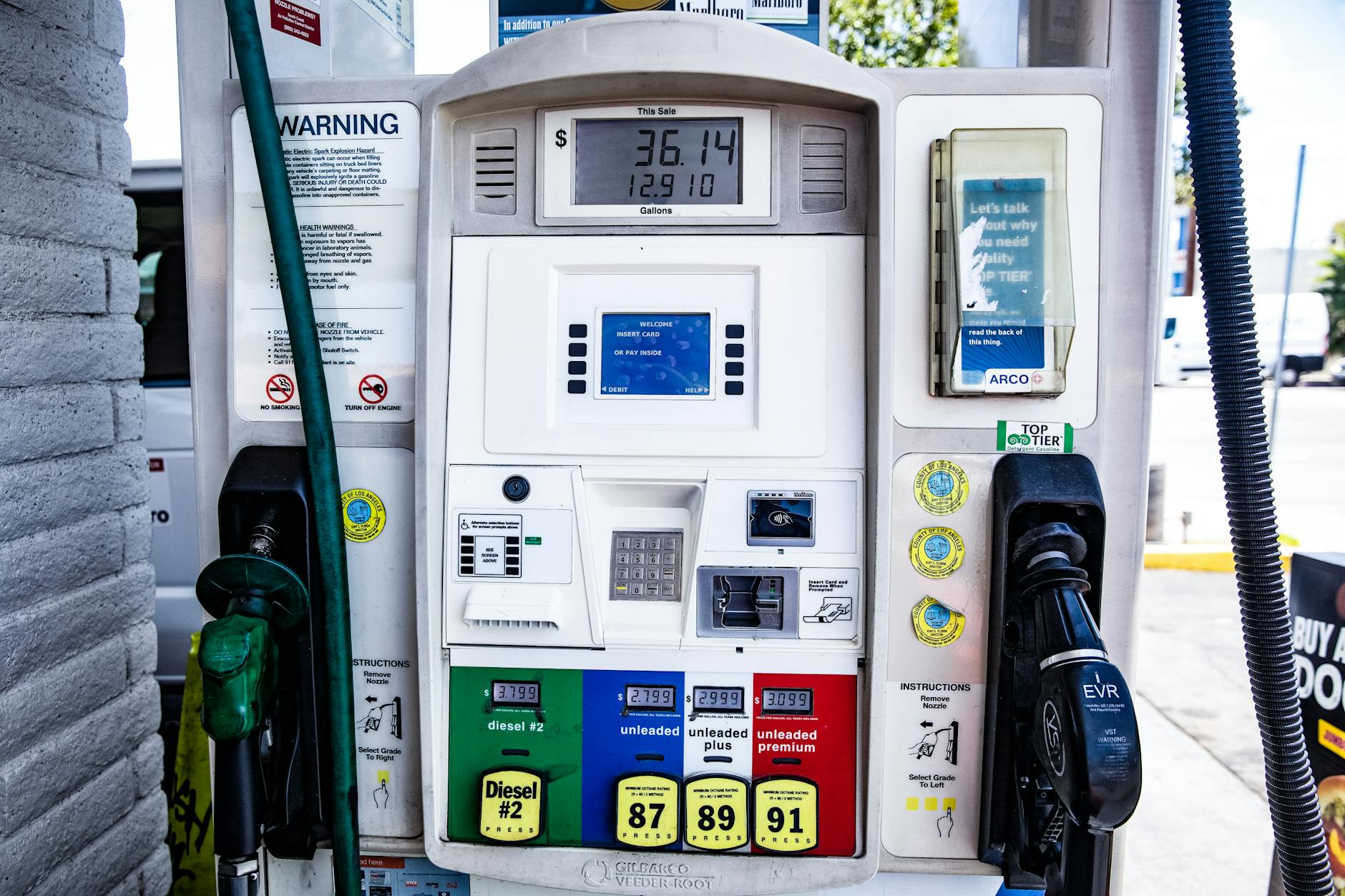
Walk into any gas station in America and premium fuel sits right there at the pump, a few cents more per gallon and carrying the unmistakable implication that it's simply better. Millions of drivers reach for it every week, either out of habit, loyalty to their car, or a vague belief that better fuel equals a better-running engine. The reality is more specific — and for most vehicles on American roads, paying that premium is just paying more.

Cold Morning, Idling Engine — Why Your Grandparents' Car Advice Doesn't Apply Anymore

Cold Morning, Idling Engine — Why Your Grandparents' Car Advice Doesn't Apply Anymore

Every winter, millions of Americans bundle up and head outside to start the car before they're ready to leave, letting it idle in the driveway for five or ten minutes while the engine 'warms up.' It's the kind of habit that gets passed down without question, wrapped in the logic of taking care of something you depend on. But the engineering under the hood changed about four decades ago, and the advice never caught up.

That Little Fuel Light Isn't the Emergency You Think It Is

That Little Fuel Light Isn't the Emergency You Think It Is

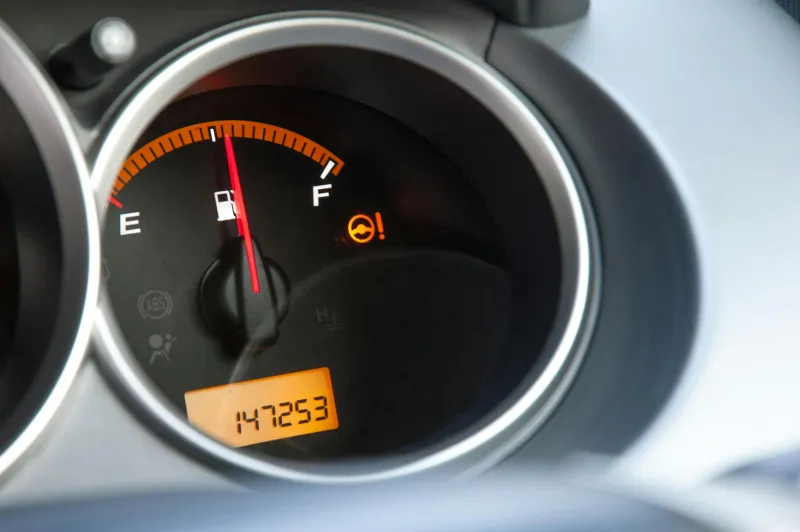
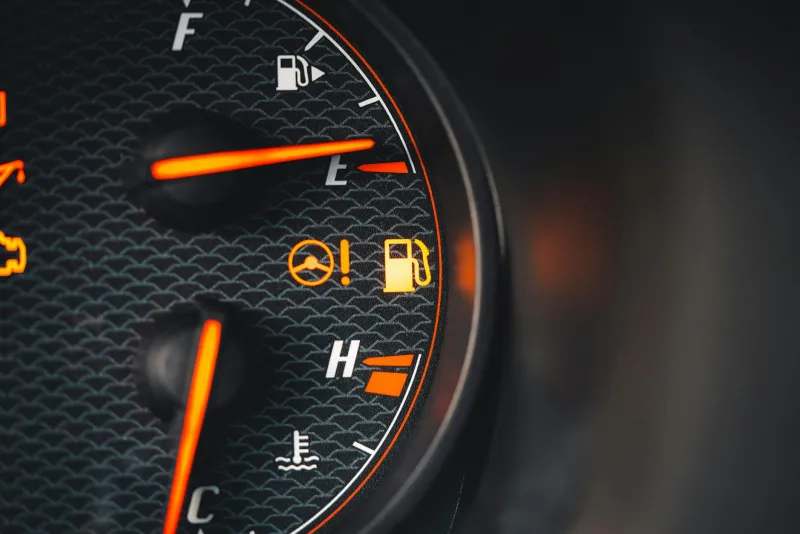
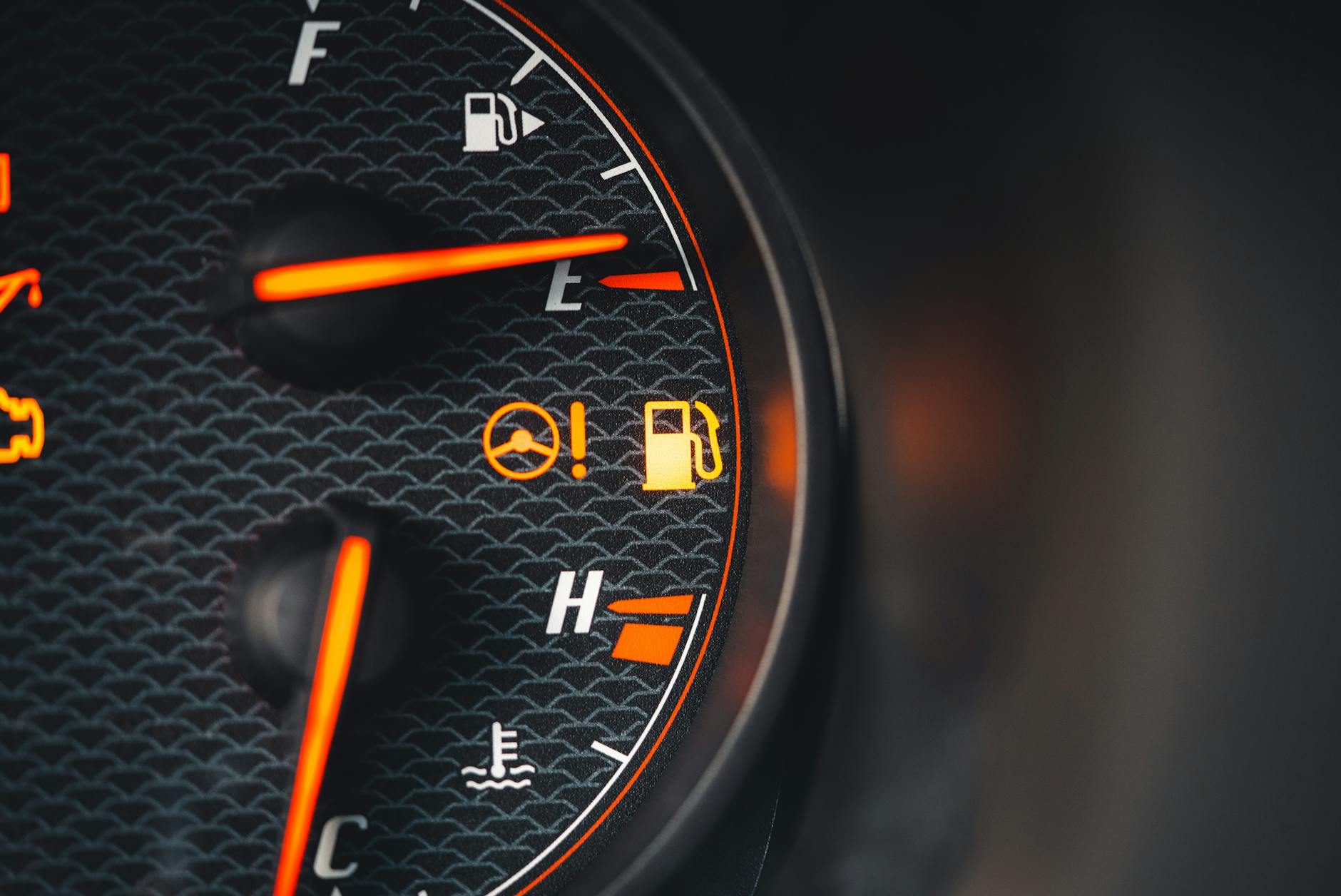
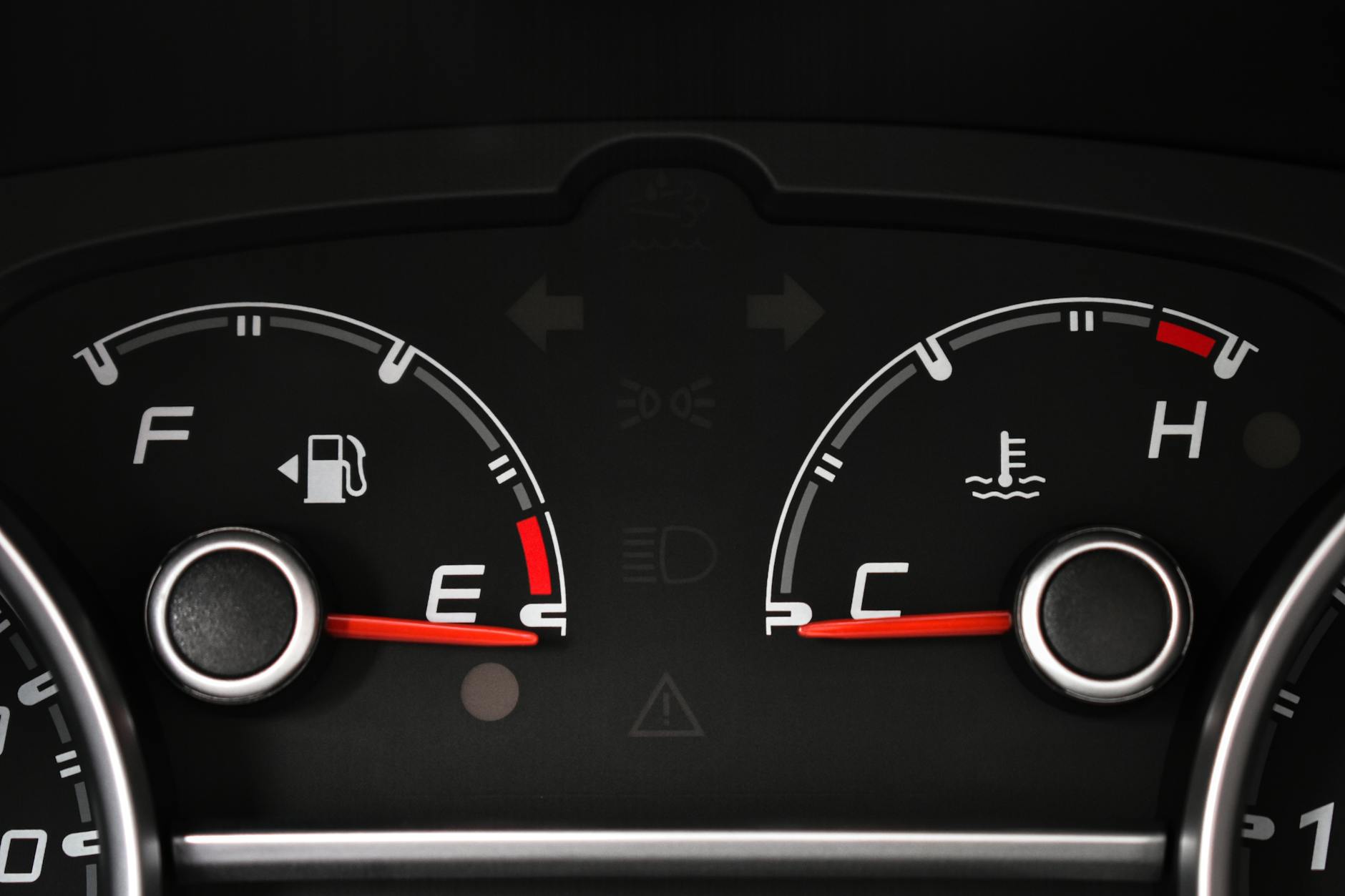
Most drivers white-knuckle it to the nearest gas station the second that fuel warning light flickers on, convinced they're moments away from a roadside breakdown. But here's the thing — your car's engineers already thought about that panic, and they built in a cushion you probably never knew existed. The real story behind your fuel gauge is a lot more reassuring than the dashboard drama suggests.

That Little Fuel Light Isn't the Emergency You Think It Is

That Little Fuel Light Isn't the Emergency You Think It Is

The moment that low fuel light flickers on, most drivers feel a jolt of anxiety and start scanning for the nearest gas station. But here's what the automakers never really advertised: there's a lot more gas in that tank than the gauge is letting on. The real story behind your fuel warning system is more reassuring — and more interesting — than you'd expect.

You're Probably Paying More at the Pump for No Reason — Here's Why

You're Probably Paying More at the Pump for No Reason — Here's Why

Walk into any gas station in America and the premium pump is right there, promising something better. Millions of drivers reach for it every week, convinced they're giving their engine an upgrade. But for most cars on the road today, that extra dollar per gallon is doing absolutely nothing — and the reason why is hiding in plain sight on every pump.

From King of the Internet to Comeback Kid: The Wild Ride of Digg

From King of the Internet to Comeback Kid: The Wild Ride of Digg

Before Reddit became the front page of the internet, there was Digg — a scrappy, user-powered news aggregator that dominated the mid-2000s web. Here's the full story of its rise, its spectacular fall, and the multiple attempts to bring it back from the dead.